Pest Control: Successful Tactics to Protect Your Dwelling and Firm
Pest Control: Valuable Systems to Shield Your House and Company
Introduction to Pest Control
Pest Control involves the control or coordination of species considered as pests – creatures that harmfully affect human endeavors or environments. In New Jersey, in which different natural systems meet metropolitan and built-up expansion, potent Pest Control is not only a nonessential but a crucial element for preserving sanitary residential and occupational environments. From the vast localities of Monmouth County to the unified neighborhoods of Matawan, pest infestations can influence each person, independent of how hygienic or properly cared for their property may be.
The criticality of implementing productive Pest Control strategies could not be understated. For property owners, pests can damage framework strength, contaminate food reserves, and establish major health dangers. Commercial entities encounter these comparable challenges, with the added unease of name impairment and possible deficit of patrons if infestations are found. Ordinary pests in New Jersey include vermin like rats and mice, various creepy crawlies such as ants, cockroaches, and bed bugs, and the exceptionally detrimental termites that can stealthily impair a building's structural basis.
The Rationale Pest Control Is Essential
Health Threats of Pest Control Methods
Multiple pests transmit and spread ailments that can influence persons and pets. Small mammals are proven hosts of hantavirus, salmonella, and leptospirosis. Cockroaches can induce asthma flare-ups and hypersensitivity reactions, chiefly in youngsters. Ticks, abundant in New Jersey's tree-covered locations, are distinguished for disseminating Lyme disease, while mosquitoes can transmit West Nile virus and Eastern Equine Encephalitis. Expert Pest Control facilitates lessen these health hazards by removing the root of these conceivable disease agents.
House Damage in Pest Control
The skeletal injury produced by pests can be widespread and expensive. Termites singly trigger over $5 billion in real estate damage yearly across the United States, with New Jersey homes being particularly prone due to the state's climate. Rats and mice can nibble through power circuitry, making fire threats, while their persistent gnawing can destroy padding, pipes, and wooden foundational sections. Even seemingly harmless ants can damage timber structures if abandoned unprocessed, especially carpenter ants which are common in Monmouth County.
Budgetary Effects of Pest Control Services
Overlooking pest infestations can lead to major financial results. What potentially originate as a trivial occurrence demanding easy processing can quickly escalate into a large trouble demanding comprehensive correction. For firms, especially those in the food industry or leisure industries, pest incursions can result in flunked health reviews, provisional cessations, and persistent damage to image and customer faith. Funding in consistent Pest Control is not merely about immediate satisfaction—it's a continuing fiscal defense.
Pest Control: Typical Residential and Enterprise Pests
Rodents (Rats and Mice)
When it concerns spotting rodent incursions in your New Jersey home, attentiveness is critical. You can detect droppings near food supplies, in drawers, or underneath sinks. Gnaw marks on food enclosures, lumber, and electrical lines are clear signs of their existence. At evening, you may notice abrasive clamors in dividers, ceilings, or under floors as these night-active critters grow lively. If you find dwellings created from fragmented documents, fabric, or dehydrated plant stuff, that's a distinct symptom rodents have created themselves home. Oily rub marks across baseboards and dividers emerge as rodents practice the matching paths repeatedly, while your pets may present odd actions such as yelping or pawing at locations below machines or furnishings where rodents camouflage.
Rats and mice in New Jersey homes and companies establish several perils exceeding only annoyance. They can contaminate food and preparation areas with germs found in their urination and excrement. Their continuous desire to bite can damage goods, especially wiring, which generates fire risks. In Matawan and encircling places, the Norway rat and house mouse are remarkably challenging, succeeding in both city and suburban regions. Powerful Pest Control steps are fundamental to take care of these ruinous infiltrators.
Arthropods (Ants, Cockroaches, Bed Bugs)
Insect issues present themselves in diverse fashions based on the type. Ant complications become obvious when you notice discernible ant paths approaching food supplies, or when you discover miniature heaps of soil or wood pieces formed by carpenter ants. Cockroach problems often display themselves through dark feces akin to coffee grounds or black pepper, a singular fusty scent that infiltrates overrun locations, and the existence of egg capsules in hidden corners. Bed bug issues emerge as rust-colored marks on mattresses and pieces, shed skins near resting locations, little blood spots on sheets, and bothersome red lumps on skin ordinarily aligned in a sequence or assembly.
Creepy crawlies exemplify the most diverse classification of pests in New Jersey. Cockroaches can trigger asthma and allergies while transmitting several microorganisms. Bed bugs, while not disease transmitters, produce marked unease, sleep interruption, and psychological torment. Certain ant types, like carpenter ants common in Monmouth County's sylvan areas, can cause architectural deterioration akin to termites across time. Professional Pest Control agencies can spot distinct insect classes and apply directed intervention plans that manage the distinctive practices and vulnerabilities of each pest.
Termites
Identifying termite presence quickly requires grasping the subtle indicators of their presence. You possibly spot dropped wings near openings and access points after swarmers have detected a mate and set up a new nest. Mud tubes on outdoor surfaces, lumber beams, or in crawl cavities act as safeguarded highways for these detrimental pests. Wood that echoes unfilled when knocked suggests termites have been gorging from inwardly. Entrances and casements that abruptly adhere may show twisting from termite damage, while broken or blistering paint reminiscent of water impairment often hides termite work underneath. Detecting frass—termite feces comparable to minuscule wood-colored bits—provides another corroboration of their unwelcome occurrence.
Termites form perhaps the most substantial architectural risk within all ordinary pests. In New Jersey, the Eastern subterranean termite is common and notably devastating. These bugs can persist undiscovered for seasons while making significant destruction to lumber constructional sections. Homes in Matawan and all over Monmouth County, specifically older dwellings, are defenseless to termite problems. The average expense of term pest control.
Pest Control Protection Factors
Safe Usage of Chemicals and Chemicals in Pest Control
While chemicals turn necessary in your pest control strategy, prioritizing security requires focus to numerous vital practices that shield people, pets, and the surroundings. Always examine and observe product guidelines exactly, as these legally-binding directions reflect extensive examination and governmental assessment designed to minimize dangers. Employ the minimum successful volume of pesticide to attain elimination while limiting unnecessary substance introduction into your home environment. Employ substances only in spaces designated on the product instructions, eliminating improper uses that may cause unexpected hazards or lower performance. Utilize suitable protective equipment as designated by product producers to avoid personal interaction during application. Maintain products in their factory bottles with instructions preserved to preserve entry to protection details and stop mix-ups. Maintain complete logs of all uses, documenting chemicals employed, dilution rates, areas applied to, and schedules of use for later reference. Ensure sufficient curing and airflow before reoccupying applied spaces, especially significant in New Jersey's climate where moisture can impact setting periods. Examine lower-toxicity alternatives when viable, as progress in pest control have developed many lower-toxicity alternatives that maintain performance while reducing possible dangers.
Safeguarding Pets and Children Throughout Pest Control Services
Extra precautions grow necessary when performing pest control steps in households with at-risk family occupants. Remove companions while performing treatment and until areas are set to stop immediate interaction with wet products or vapors that could create harmful responses. Cover or take away pet meals, water containers, and toys before treatment to avoid exposure that could lead to unintentional ingestion. Store children's toys apart from treatment locations, particularly objects that small kids might insert in their mouths. Wash and sterilize meal preparation surfaces after application, even if they were not directly serviced, to get rid of any leftovers that might have collected during service. Keep young ones distant from treated spaces for the recommended duration, increasing this duration for mobile infants who have greater direct interaction with ground and low spaces. Evaluate pet-safe and non-toxic to children substance options when obtainable, as many contemporary chemicals focus on certain pest physiology while limiting mammalian harm. Most crucially, tell professional specialists about the presence of pets, young ones, or pregnant household members before they formulate application plans, permitting them to adjust techniques and product choices accordingly.
Legal Standards and Compliance with Pest Control
Pest control in New Jersey operates within a regulatory framework designed to defend public safety and the surroundings while maintaining efficient pest elimination. The New Jersey Department of Environmental Protection supervises pest elimination operations, mandating professional pest control organizations to meet defined criteria. Companies must use qualified technicians who have completed government examinations proving expertise in pest biology, treatment procedures, and safety standards. These organizations must preserve proper protection insurance protecting both their technicians and their clients from likely losses or damage linked to pest elimination operations. Tight requirements oversee product warehousing, transport, and elimination to eliminate environmental exposure and unpermitted availability. Technicians must supply Safety Data Sheets upon inquiry, documenting the properties and risks of chemicals employed in treatments. Notice requirements relate for specific treatments, particularly in apartment residences or business locations with numerous occupants. Comprehensive treatment documentation must be upheld, establishing an review history of pest management operations. Also, only substances licensed for use in New Jersey may be legally employed, confirming that local natural circumstances and environments have been considered in the authorization system. For business buildings in Matawan and throughout Monmouth County, extra regulations may pertain based on the sector, particularly for food industry, health, and daycare facilities where pest control connects with further community wellness concerns.
Environmentally-Friendly Pest Control Alternatives
Combined Pest Control (IPM) Approach
Comprehensive Pest Management constitutes the highest standard in today's pest control, centering on sustained prevention through a mixture of strategies that decrease natural influence while enhancing success. The IPM method commences with thorough examination and tracking to recognize pest infestation exactly, forming initial data about species found and population counts. This produces precise determination of pest species, guaranteeing control attempts aim at particular patterns and weaknesses rather than applying broad applications. Professionals set limit levels that warrant intervention, realizing that the simple detection of a limited creatures does not always need control if amounts remain less than damaging levels. When intervention grows essential, IPM implements multiple treatment methods in coordination, generally commencing with least-toxic techniques and progressing only when needed. During the procedure, specialists assess efficiency and adapt techniques as necessary, establishing a adaptable strategy flexible to varying environments. Most importantly, IPM focuses on protection over intervention, handling construction and surrounding aspects that maintain pest populations rather than only eradicating existing creatures. Many pest control firms in New Jersey offer IPM-based services that correspond with the state's initiative toward reduced-risk pest management methods, specifically in critical locations like educational facilities, medical centers, and nutrition preparation centers.
Non-Chemical Management Techniques
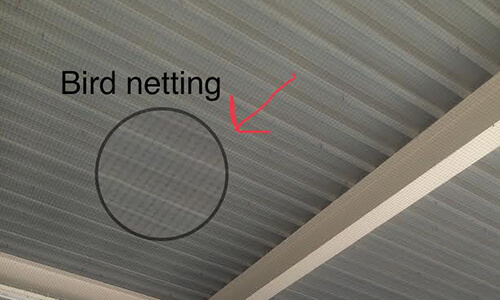
Efficient pest control often includes non-chemical approaches that can fix or reduce pest problems without introducing chemicals into the area. Mechanical obstacles such as screens, entry strips, and caulking prevent pest access entirely, dealing with the trouble at its root. Mechanical devices like traps and barrier tools eliminate current creatures while preventing new infestations. Natural controls featuring advantageous creatures and organisms add natural enemies that aim at individual creatures while leaving advantageous organisms protected. Management approaches adjust the conditions to discourage organisms, such as adjusting watering schedules to lower humidity that lures some bugs. Area adjustment decreases harborage and food resources, creating properties less attractive to problematic occupants. For certain organisms like bedbugs, temperature applications deliver exceptionally productive control without chemical residues by increasing temperatures over the temperature fatal level for all developmental stages of the target pest. In the same way, cooling approaches for preserved product pests like cereal insects or kitchen moths can eradicate problems in food products without harmful residue. These methods show specifically important in New Jersey's diverse settings, where closeness to liquid systems, preserved wild locations, and heavy residential hubs generates many situations where toxic reduction becomes beneficial or required.
Green Pest Control Management Approaches
The pest control sector keeps to advance toward more sustainable procedures that maintain success while reducing ecological effect. Botanical insecticides extracted from plant substances like chrysanthemum extract, neem, and natural compounds deliver focused management with limited longevity in the ecosystem. Organic pesticides having organisms, organisms, or organisms that focus on certain pest creatures deliver precision that standard universal substances can't equal. Growth modifiers that block pest mating by disrupting with developmental stages offer extended quantity reduction without instant poisonous influences on mature insects. Pheromone devices that observe or disturb pest pairing aid identify when control grows essential and can prevent mating in some species. The industry increasingly implements safer pesticides with limited environmental influence, changing away from conventional products with broader consequences on secondary creatures. Precision treatment systems that decrease total substance application apply applications exactly where required rather than scattering products across extensive zones. Green approval systems for pest treatment organizations create standards for naturally favorable assistance and provide clients with clear recognition of companies committed to environmentally-friendly approaches. In environmentally vulnerable areas of New Jersey, containing parts of Monmouth County with distance to water sources, these eco-conscious strategies are particularly beneficial for safeguarding both personal wellbeing and wild habitats while yet delivering productive pest elimination.
Finding a Local Pest Control Service Provider in New Jersey
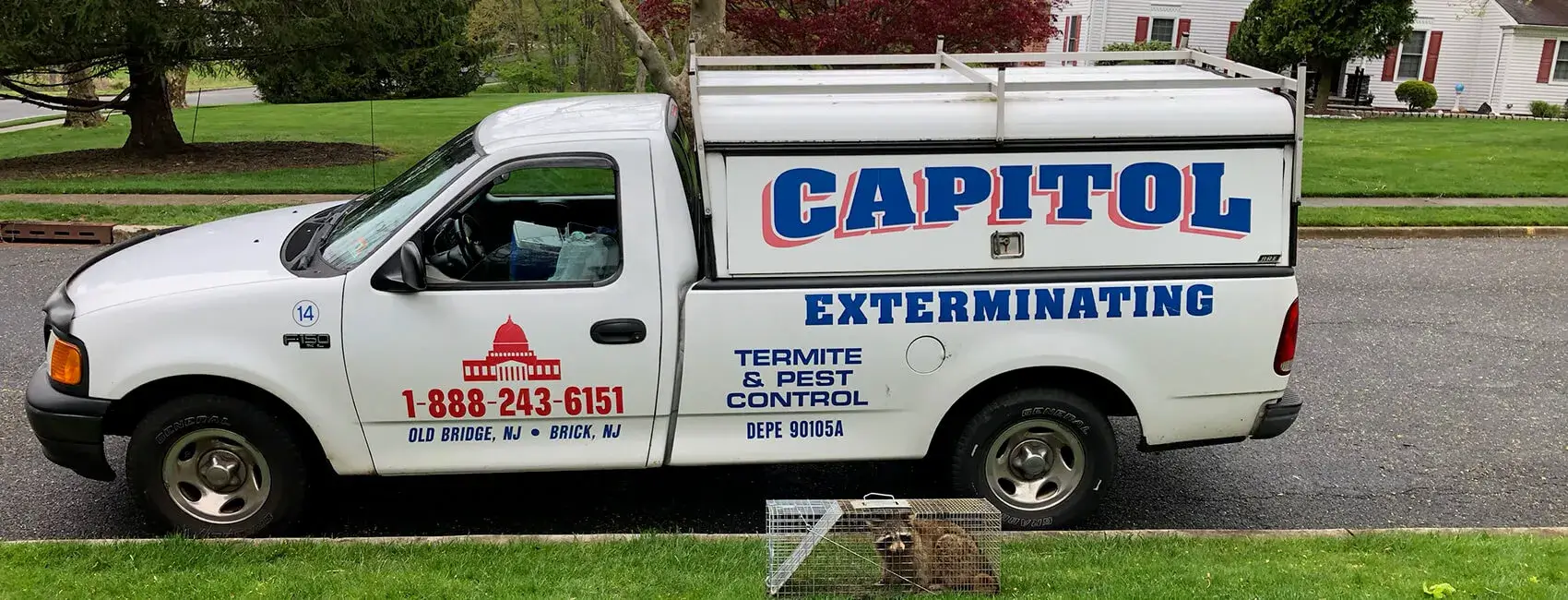
Capitol Exterminating System
272 NJ-34
Matawan, NJ 07747
(732) 441-1900
Frequently Requested Inquiries (FAQs) about Pest Control
How frequently should pest control be conducted?
For most New Jersey homes, seasonal pest control offers appropriate defense against periodic pest pressures. This timing aligns with the area's different seasons, each generating distinct pest issues that call for protective care. Early season services typically address appearing ant communities and overwintered insects getting lively. Summertime applications center on mosquitos, ticks, and various winged insects that thrive in warmer climate. Autumn treatments set up homes for rodents and overwintering insects seeking refuge as climate fall. Winter applications maintain safeguarding against inside pests while dealing with small mammal issues at its greatest. However, this schedule may rise for properties with specific threat factors or continuing concerns that need greater comprehensive control. Properties adjacent to forested regions in Monmouth County may benefit from extra parasite and flying insect applications across top cycles. Buildings with background of particular pest issues regularly call for specific additional services beyond the standard every three months timing. Business properties, particularly dining preparation facilities in areas like Matawan, often call for frequent treatment to preserve agreement with health rules and prevent problems that could injure reputation and business activities.
Is specialist pest control protected for pets?
When carried out correctly, professional pest control can be safe for animals through deliberate chemical selection and usage methods that decrease interaction. Current specific treatment techniques and reduced-risk chemicals have markedly bettered security aspects against older pest control approaches. Contemporary treatments frequently employ products particularly designed to have reduced harm to animals while remaining efficient against specific insects with different physiologies. Qualified technicians get training in treatment approaches that put materials in areas companions can't access, such as interior gaps, splits and crevices, or back of machines. Though, pets should be removed while performing procedure and until all services have solidified fully, following specific waiting periods proposed by the chemical company and specialist. Aquarium aquariums should be shielded and air equipment stopped during application to stop exposure from floating substances. Pet items including beds, objects, and feeding dishes should be moved or enclosed during application. Discuss any issues with your pest control service, who can propose proper waiting times considering the specific procedures used and change approaches for families with especially sensitive pets like flying animals or reptiles that may have separate physical susceptibilities than felines and dogs.
What are the evidence of a serious pest invasion?
Apart from visible creatures themselves, numerous warning signs reveal likely serious infestations requiring prompt pest control action. Unusual odors commonly develop with large issues – musty, slick scents may show rodents, while sugary, nutty smells occasionally accompany German cockroach groups. Unexplained building harm like drooping floors, blistering coating, or falling apart timber may indicate wood-destroying insect damage or wood-boring ant infestations damaging support elements. Strange activity within structures or lofts, specifically at night, frequently reveal mouse and rat movement as these nighttime animals turn active in secret areas. Too much particles resembling minute shavings near timber components may actually be waste or droppings from wood-destroying creatures. Some homes experience unexplained physical issues like airway issues or irritation that resolve when distant from residence, likely revealing pest problems affecting internal environmental standard. In New Jersey residences, particular consideration should be devoted to cellar and under-floor areas where dampness troubles can support pest communities, particularly in mature houses throughout Monmouth County where support fissures and decaying binding supply many entry spots. Locating several deceased pests of the similar species shows a Capitol Exterminating System pest control services New Jersey greater colony nearby, while oil marks beside wall bases reveal set rodent trails with regular use.
Can I avoid creatures without pest control pesticides?
Indeed, numerous creatures can be prevented through proper cleanliness, prevention, and habitat adjustment without resorting to pesticide treatments. The foundation of non-toxic pest control begins with comprehensive barrier work – sealing openings, openings, and access points that permit insects to access homes in the initial place. Installing entry barriers, fixing torn barriers, and blocking service access points removes common penetration points. Eliminating food supplies through appropriate food containment in sealed containers, immediate elimination of accidents and pieces, and consistent waste elimination substantially lowers magnets that pull creatures inside. Reducing water by correcting dripping plumbing, enhancing ventilation in humid spaces, and dealing with water removal concerns gets rid of the liquid supplies multiple insects demand. Maintaining a buffer space encircling structures by pruning vegetation, eliminating leaf debris, and holding wood lifted and apart from buildings minimizes hiding spaces and entry points. Employing tangible shields like metal material or iron material to stop wider openings provides enduring exclusion for rodents and large mice. Frequent sanitation that features vacuuming cracks and crevices removes insect eggs and nutrition particles that support pest development. For present problems, nevertheless, some type of elimination agent may be necessary to fix established concerns, though numerous lower-risk options are offered containing diatomaceous material, boron powder, and insecticidal soaps that supply lowered risk against typical pesticides.
What should I prepare for throughout specialist pest control treatment?
A qualified pest control application typically commences with a detailed evaluation to recognize pest species, entry locations, and encouraging circumstances adding to the issue. The technician should invest attention inspecting both indoor and external areas, directing particular focus to cooking areas, restrooms, lower levels, and border building supports where pest movement commonly gathers. Subsequent to this assessment, the specialist should clarify their results in depth and advise a treatment plan designed to your unique condition, discussing both the designated creatures and the approaches planned for handling them. You may obtain preparation guidelines before procedure, likely containing relocating furniture, emptying specific spaces, or protecting companions. During the treatment, the expert will use suitable substances to focused locations considering the pest varieties found, focusing on openings, gaps, and pest hiding areas rather than spreading procedures around whole areas. They may install observation tools like creature snares or food containers that help observe improvement and supply persistent security. After completing applications, a qualified person should describe any following-application precautions such as air movement requirements, return times, or surfaces to sanitize. Before departing, they should schedule additional visits if essential for notably challenging pests like sleeping pests or German insects that generally call for multiple applications for entire removal. Within this method, technicians should encourage inquiries and offer obvious data about the products and methods utilized, showing their preparation and pledge to both effectiveness and security.
Successful pest control is an important component of maintaining sanitary, safe living and business spaces in New Jersey. From the wet hot months that create flying insects and blood-sucking insects to the frigid periods when mice and rats search for shelter indoors, pest challenges persist a ongoing concern for inhabitants and companies in Monmouth County and Matawan. By understanding usual creatures, applying proactive procedures, and realizing when to look for qualified assistance, property owners can shield their assets and the health of residents.
Implementing a preventive strategy to pest control is always increasingly successful and cost-effective than responding to active infestations. Frequent assessments, proper maintenance, and addressing minor troubles before they grow can eliminate the significant costs and problems linked with substantial pest troubles. When professional intervention becomes needed, selecting a trustworthy, licensed pest control specialist who employs combined pest treatment methods provides productive results with minimal natural effect.